

Sense and Sensibility (1995 vs. 2026): Revisiting Jane Austen’s Timeless Tale of Love and Sisterhood
Few literary works have captured the complexities of love, family relationships and human emotions as beautifully as Jane Austen’s Sense and Sensibility. First published in 1811, the novel continues to inspire filmmakers and audiences, with its latest cinematic adaptation arriving in 2026.
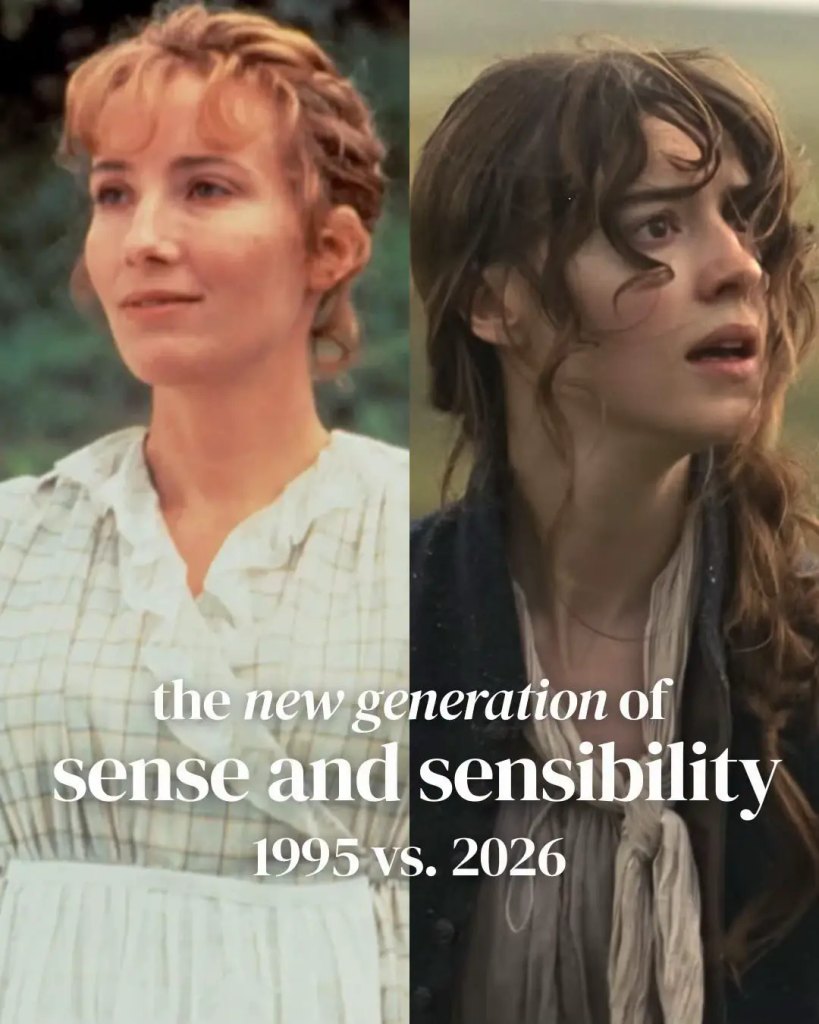
Comparing the 1995 and 2026 film adaptations offers an interesting opportunity to see how the same timeless story can be interpreted through two different cinematic perspectives.
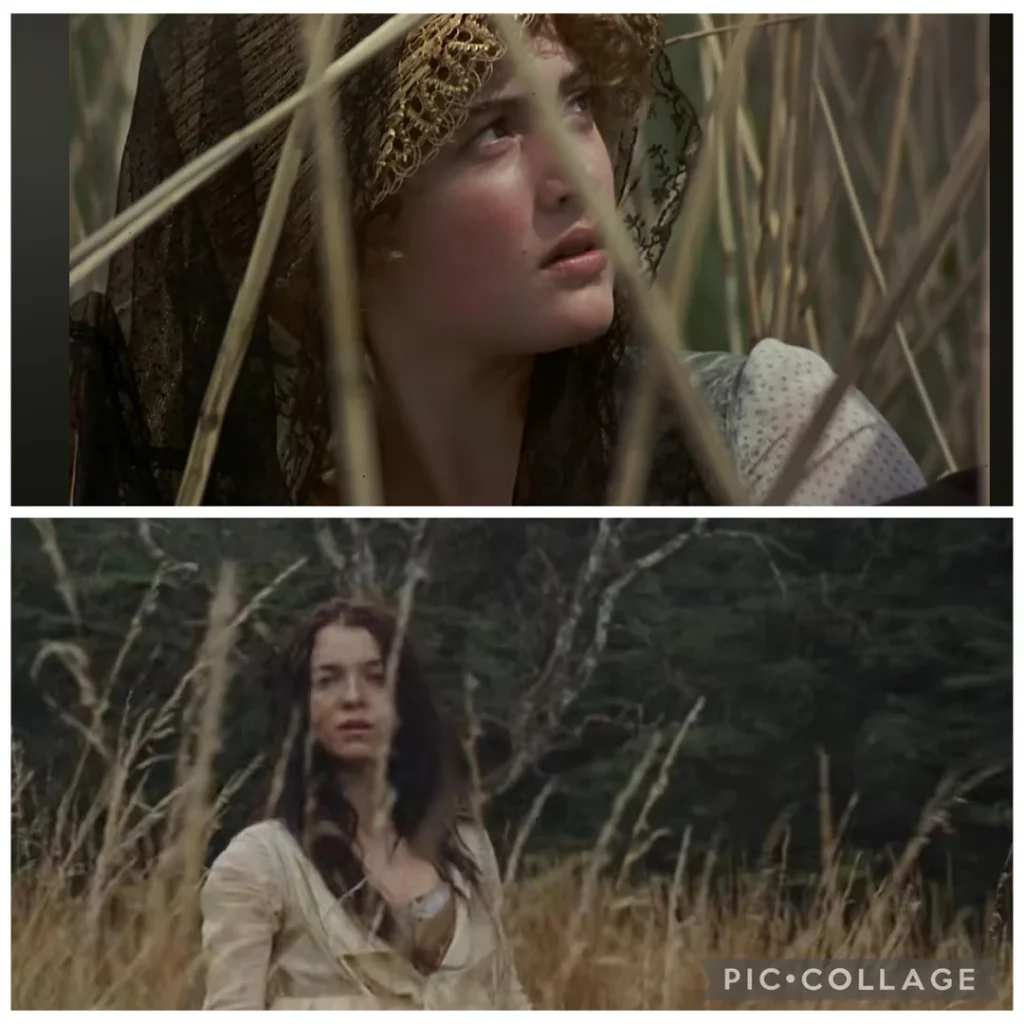
Sense and Sensibility (1995)
Sense and Sensibility (2026)
| Aspect | 1995 Version | 2026 Version |
|---|---|---|
| Director | Ang Lee | Georgia Oakley |
| Screenwriter | Emma Thompson | Diana Reid |
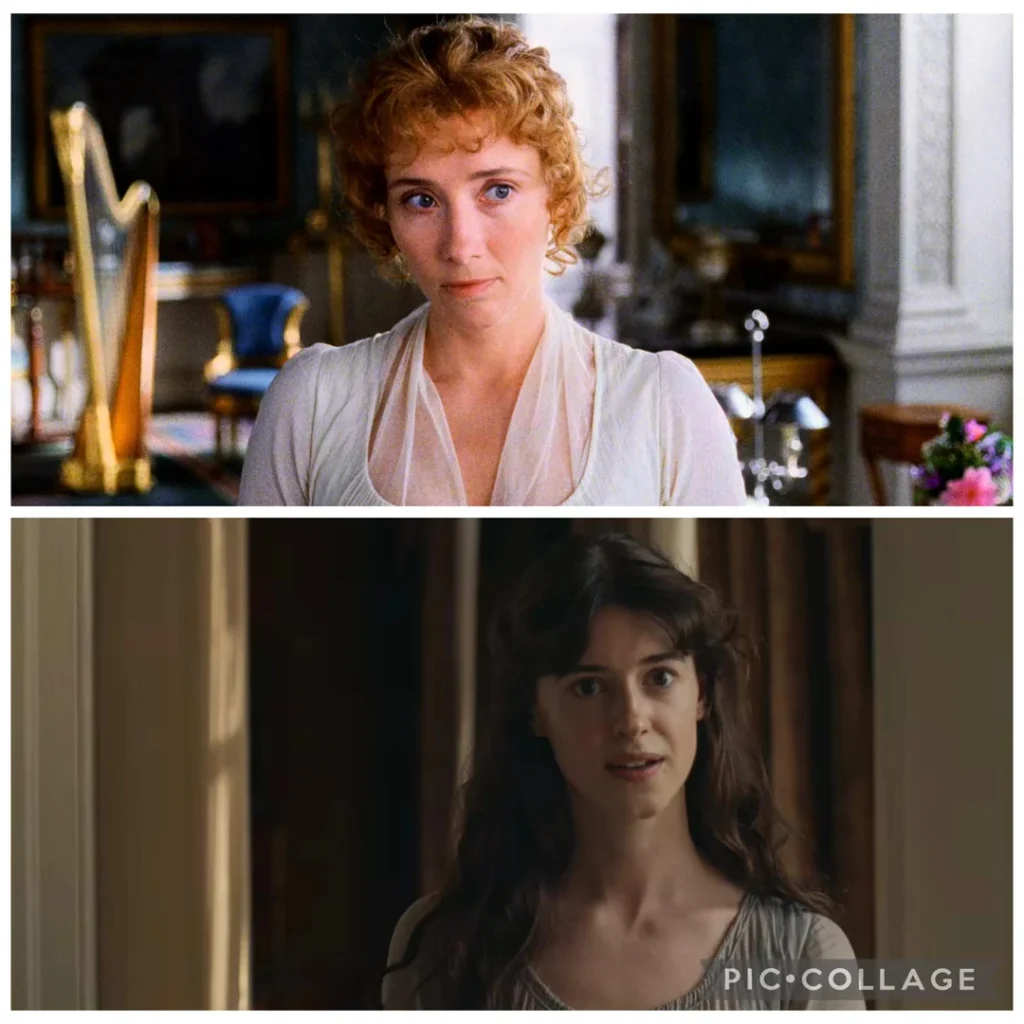
| Elinor Dashwood | Emma Thompson | Daisy Edgar-Jones |
| Marianne Dashwood | Kate Winslet | Esmé Creed-Miles |
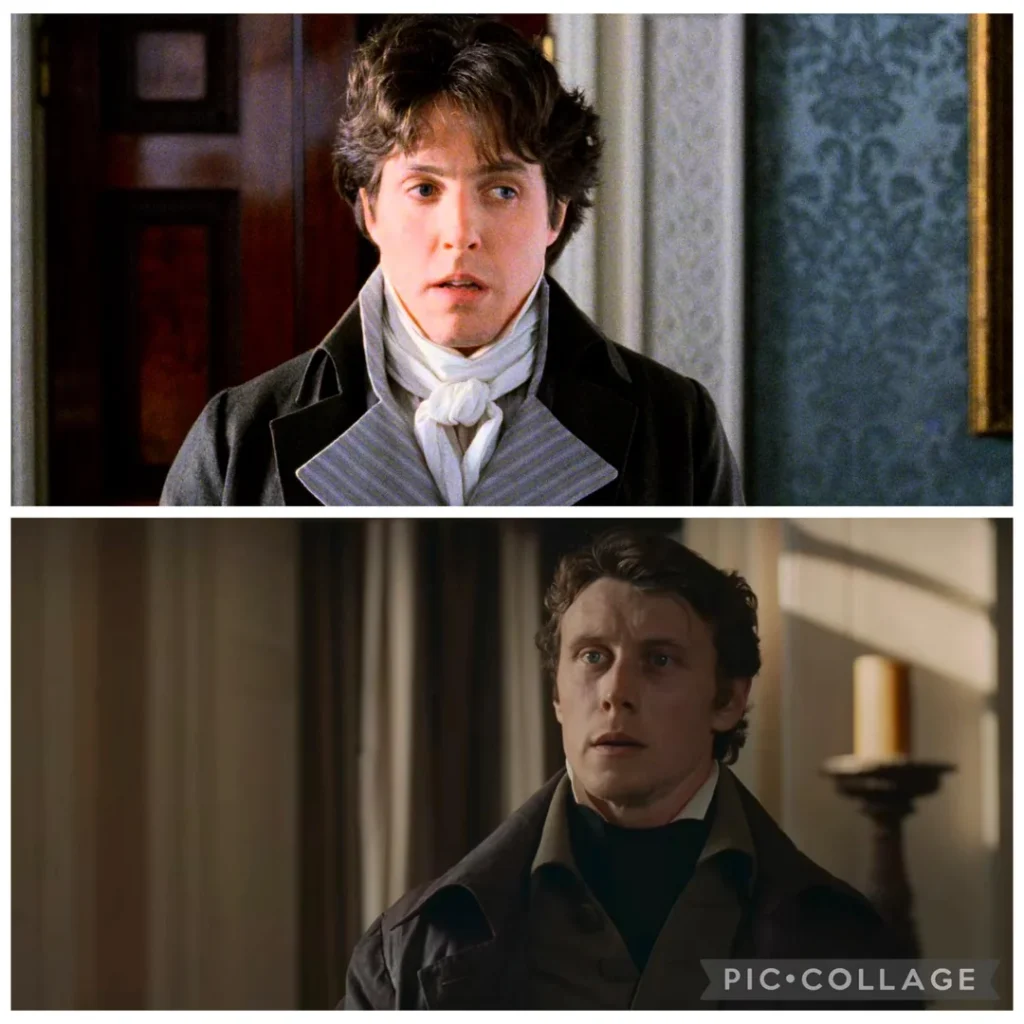
| Edward Ferrars | Hugh Grant | George MacKay |
| Colonel Brandon | Alan Rickman | Herbert Nordrum |
| Runtime | 135 minutes | 132 minutes |
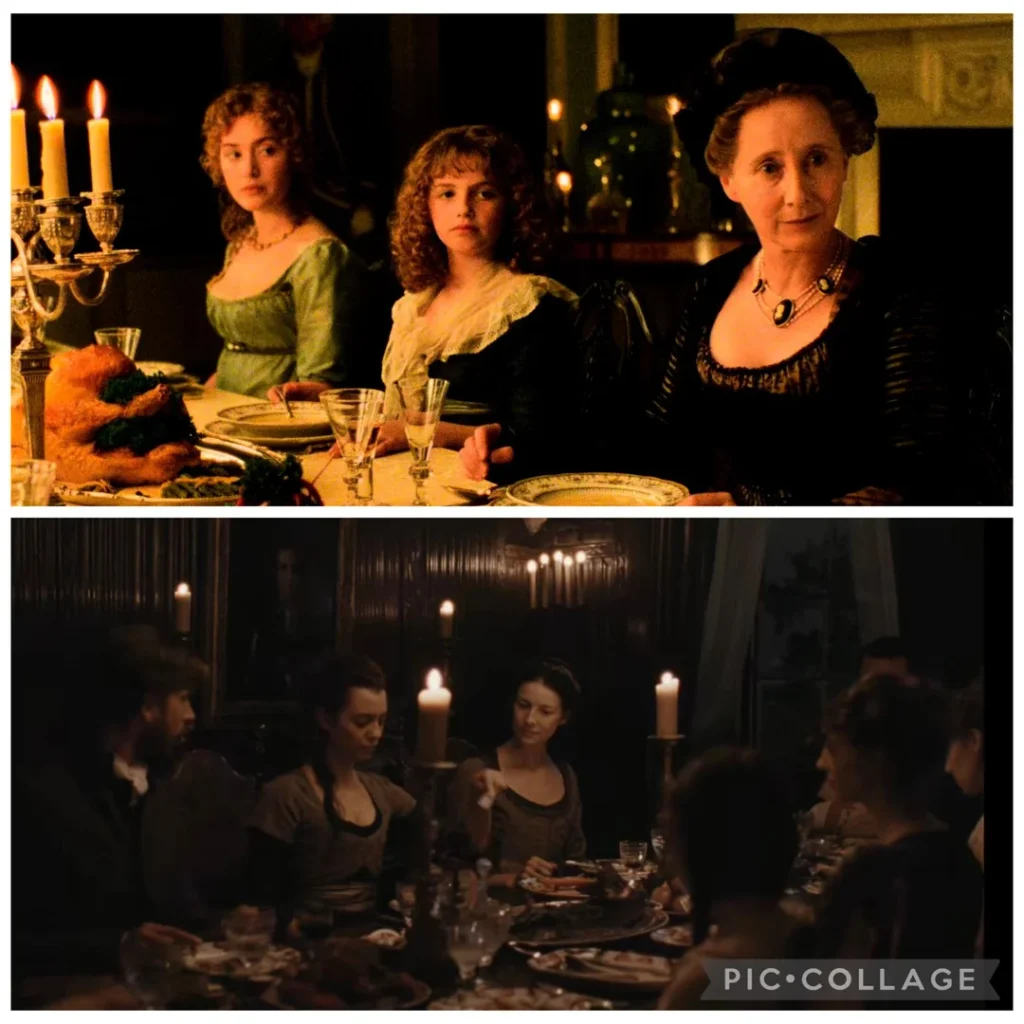
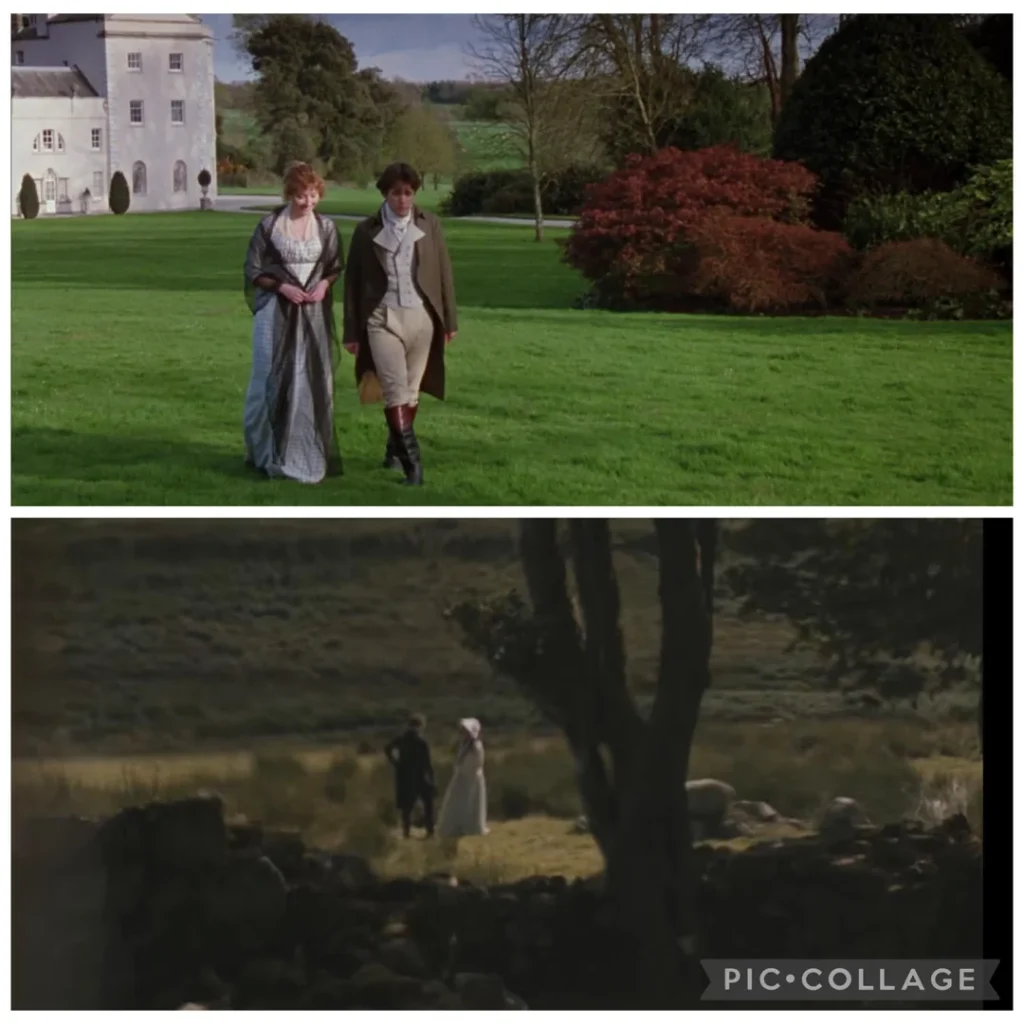
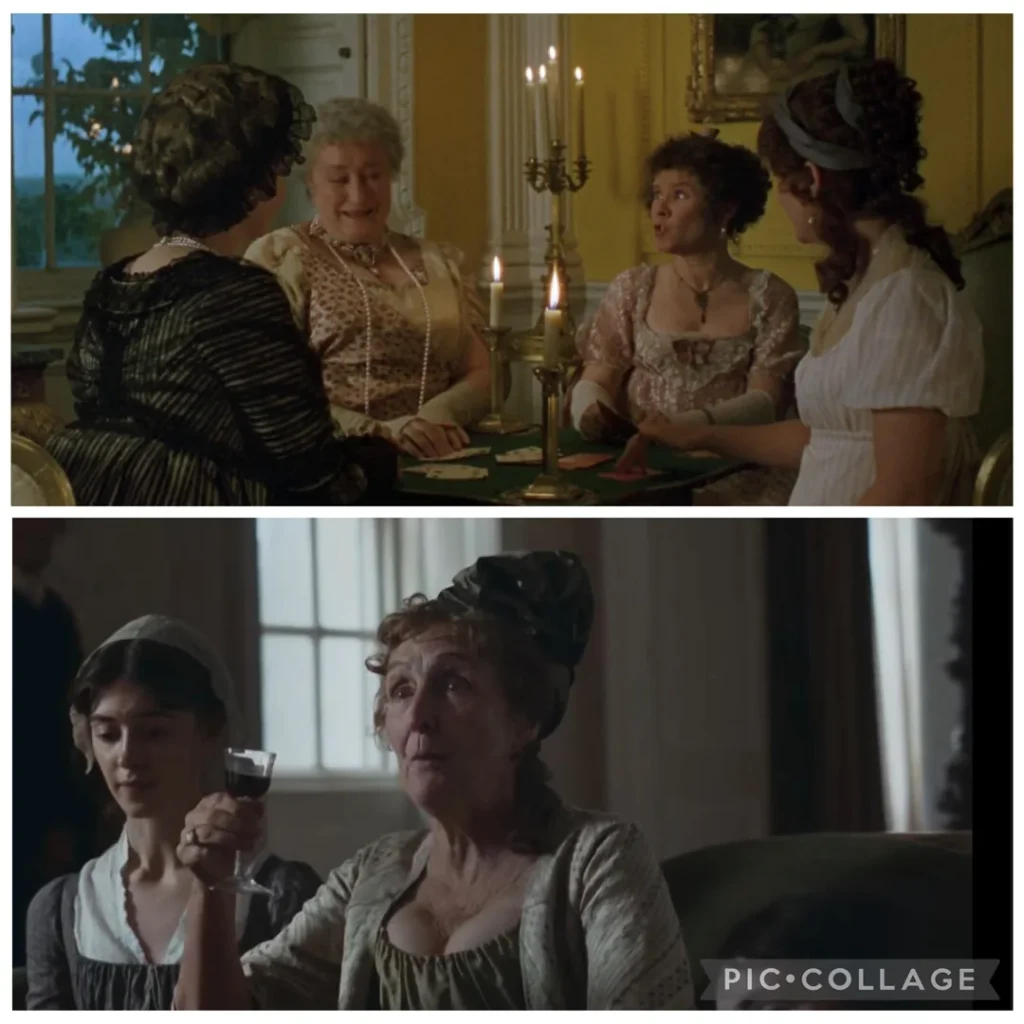
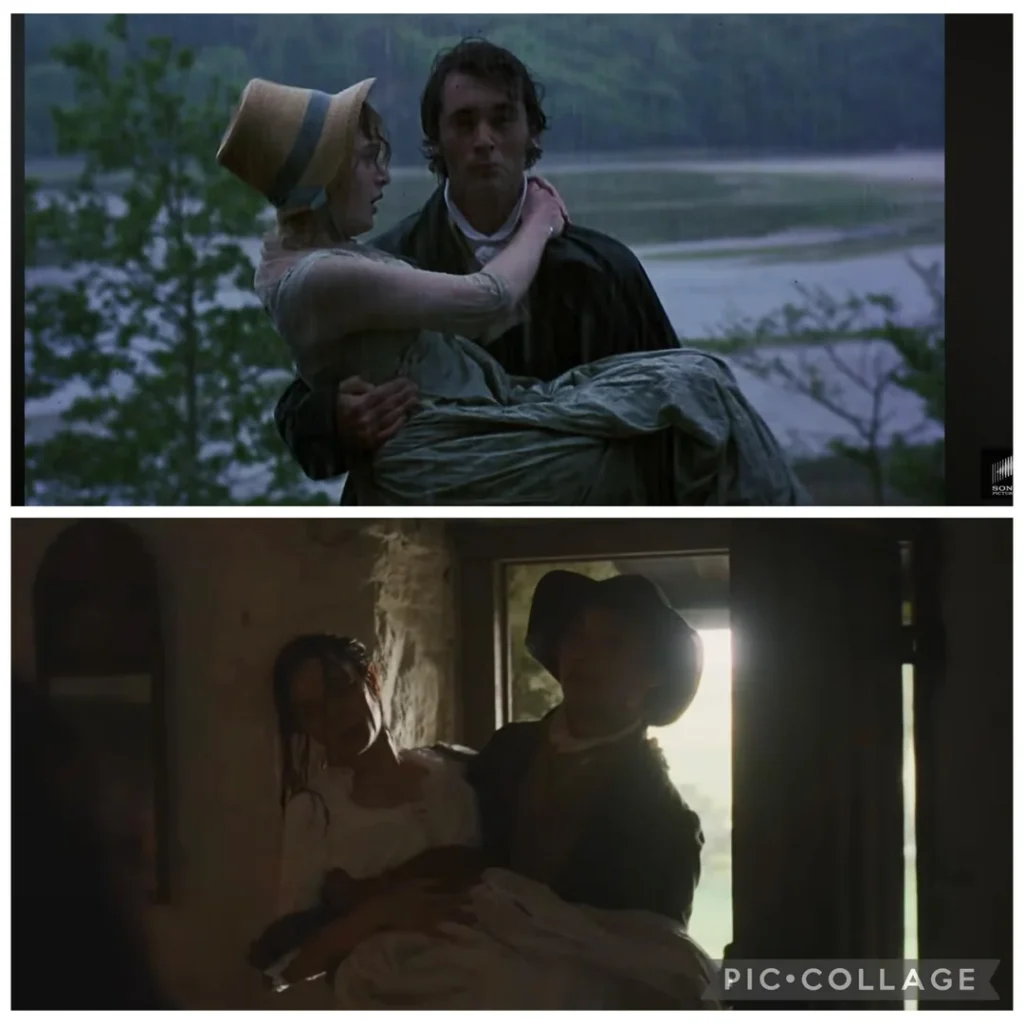
| Cinematic style | Elegant, traditional period drama | More naturalistic, atmospheric and earthy |
| Main emphasis | Romance, social expectations and emotional restraint | Sisterhood, personal growth and emotional relationships |
Two Adaptations, One Timeless Story
The 1995 adaptation, directed by Ang Lee and written by Emma Thompson, remains one of the most celebrated Jane Austen film adaptations. Featuring Emma Thompson as Elinor Dashwood, Kate Winslet as Marianne Dashwood, Hugh Grant as Edward Ferrars and Alan Rickman as Colonel Brandon, the film beautifully captures the emotional conflicts and romantic complexities of Austen’s novel.
Its elegant cinematography, memorable performances, witty dialogue and emotional depth helped make it a favourite among period-drama enthusiasts. Emma Thompson’s screenplay also earned an Academy Award, further establishing the film’s reputation.
The 2026 adaptation, directed by Georgia Oakley, introduces a new generation of actors to these familiar characters. Daisy Edgar-Jones takes on the role of Elinor Dashwood, alongside Esmé Creed-Miles as Marianne Dashwood, George MacKay as Edward Ferrars and Herbert Nordrum as Colonel Brandon.
Rather than simply repeating the earlier film’s approach, the new adaptation offers a fresh interpretation of Austen’s world, with a more naturalistic atmosphere and renewed attention to the sisters’ emotional journeys and relationships.
Different Generations, Different Interpretations
One of the most interesting aspects of comparing these films is how the central characters are portrayed.
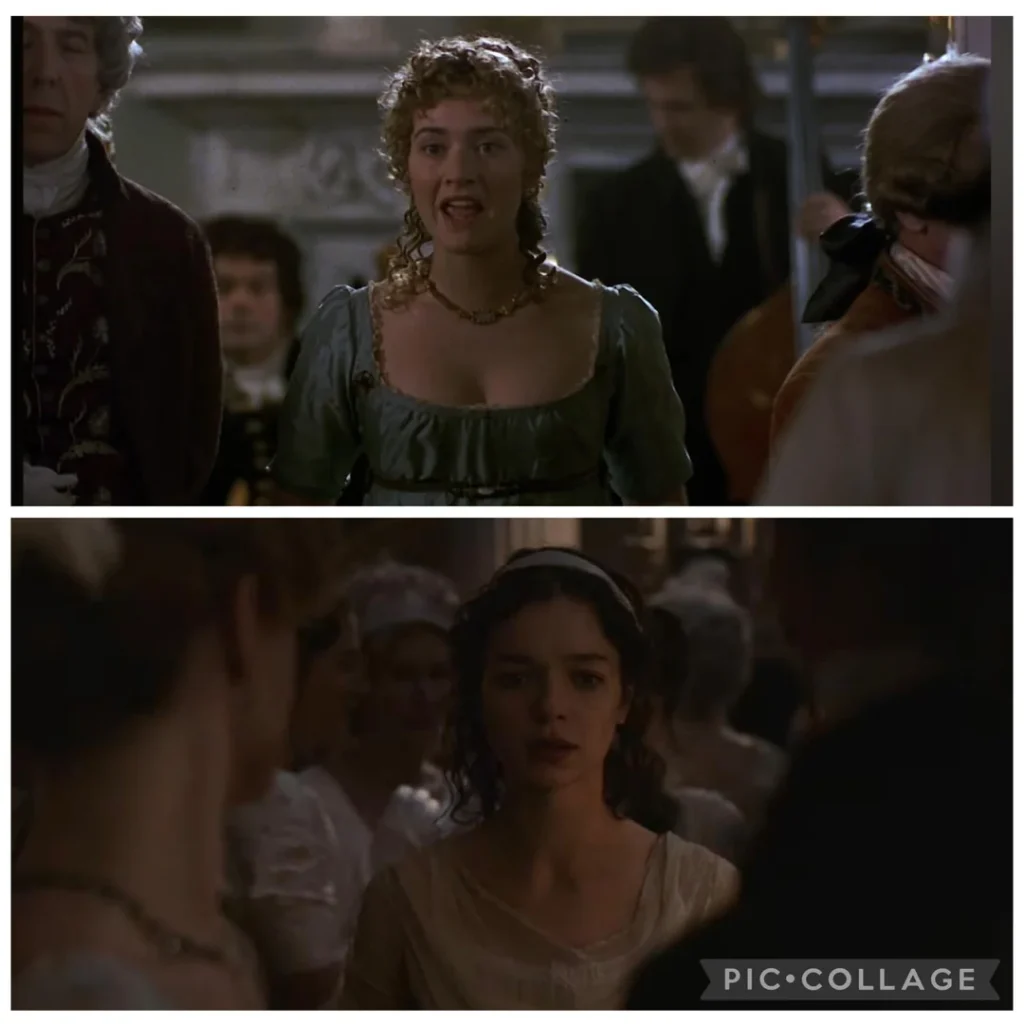
Emma Thompson and Kate Winslet created an especially memorable partnership in the 1995 film. Their performances captured the contrast between Elinor’s emotional restraint and Marianne’s passionate approach to life. Their relationship remains at the heart of the film.
In the 2026 version, Daisy Edgar-Jones and Esmé Creed-Miles bring their own personalities and interpretations to the Dashwood sisters. Their performances provide a new perspective on the familiar relationship, allowing contemporary audiences to reconnect with these characters.
The difference is not necessarily about which version is better, but how different filmmakers and actors bring new dimensions to the same literary characters.
Which Version Stands Out?
The 1995 film remains a benchmark for romantic period dramas, thanks to its exceptional ensemble cast, carefully crafted screenplay and beautiful storytelling. It has a warmth and emotional richness that make it enjoyable even decades after its release.
The 2026 adaptation, meanwhile, offers an opportunity to rediscover the story through a contemporary cinematic lens. Its new cast and different visual approach give audiences another reason to revisit Austen’s work.
Ultimately, both adaptations celebrate the enduring themes of love, family, sacrifice and the balance between reason and emotion.
A Timeless Story Worth Revisiting
More than two centuries after Jane Austen wrote Sense and Sensibility, the Dashwood sisters continue to find their way into the hearts of new generations.
The 1995 adaptation remains a much-loved classic, while the 2026 version brings a fresh interpretation to a familiar story. For fans of Jane Austen and period dramas, watching both films offers a fascinating experience: discovering how one timeless novel can inspire two distinctive cinematic journeys.
Perhaps that is the real beauty of Sense and Sensibility — its story never really grows old; it simply finds new ways to be told.
